

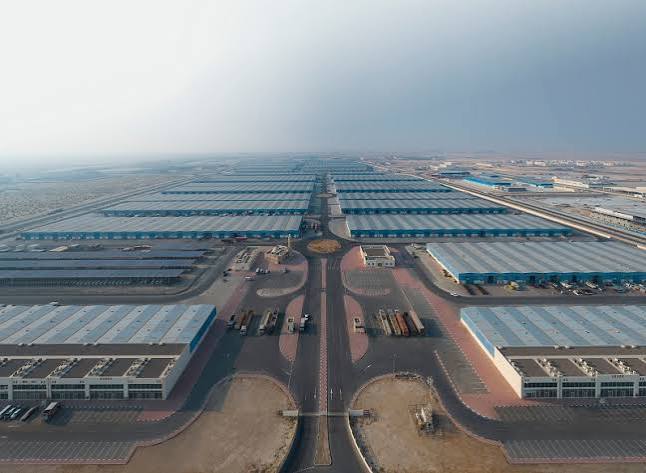

Dubai’s industrial real estate market is set for continued growth in 2026, driven by expanding logistics networks, manufacturing investments, and strong regional trade. Supported by world-class infrastructure and government initiatives to diversify the economy, the emirate remains a preferred destination for industrial businesses serving the Middle East, Africa, and Asia.
1. Logistics Remains the Primary Growth Driver
Dubai’s strategic location and integrated transport infrastructure continue to fuel demand for industrial space. Major assets such as Jebel Ali Port, Al Maktoum International Airport, and the logistics ecosystem in Dubai South enable businesses to move goods efficiently across global markets.
The continued rise of e-commerce has also increased demand for modern warehouses with automation-ready layouts, better storage capacity, and faster last-mile connectivity. As a result, businesses are increasingly seeking high-quality Industrial Property Dubai that supports operational efficiency.
2. Manufacturing Is Expanding Across the Region
The UAE’s economic diversification strategy continues to strengthen manufacturing sectors including food processing, pharmaceuticals, and advanced industries. Government initiatives encourage local production while improving export capabilities.
Regional manufacturing growth is also reinforcing Dubai’s role as a distribution hub. Egypt, for example, continues expanding industrial cities such as 10th of Ramadan City and Sixth of October City, with many manufacturers using Dubai as their regional logistics gateway. This trend supports sustained demand for Commercial Real Estate Dubai.
3. Industrial Hubs Continue to Attract Investment
Several industrial districts remain central to market activity:
- Jebel Ali – Ideal for logistics, shipping, and manufacturing due to its port connectivity.
- Dubai South – A growing hub for aviation, e-commerce, and regional distribution.
- Dubai Industrial City – Designed for manufacturing, warehousing, and industrial production.
- Al Quoz – Popular among SMEs and light industrial businesses because of its central location.
These locations continue to benefit from strong infrastructure, transport access, and established business ecosystems.
4. Technology and Sustainability Are Influencing Demand
Industrial occupiers increasingly prioritize facilities that improve efficiency and reduce operating costs. Modern warehouses now feature higher storage capacity, automation systems, energy-efficient lighting, and flexible layouts that can adapt to changing business needs.
For companies searching for a Warehouse for Rent Dubai, functionality and long-term operational value are becoming just as important as location.
Dubai’s industrial market is expected to remain resilient through 2026, supported by logistics expansion, manufacturing growth, and increasing regional trade. Businesses should focus on locations that offer strong connectivity, modern infrastructure, and room for future expansion rather than considering rental costs alone.
Conclusion
Dubai continues to strengthen its position as one of the Middle East’s leading industrial and logistics hubs. With sustained investment in infrastructure and manufacturing, demand for quality industrial assets is expected to remain strong. Businesses exploring Commercial Leasing Dubai opportunities will benefit from understanding market trends and selecting locations that align with long-term operational goals.
Looking for expert insights on Dubai’s industrial market? Explore Iconic House for the latest updates on commercial and industrial real estate across the UAE.

Leave a Reply